
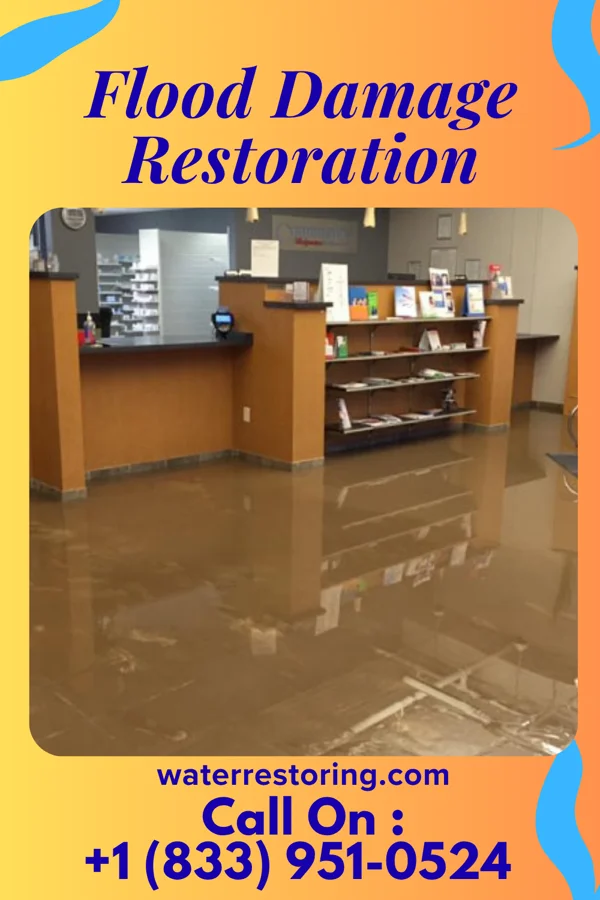
Why Waynesboro Floods Become Disasters
Most water damage emergencies in Waynesboro start with Waynesboro, Tennessee is prone to flooding due to its location near the Clinch River and the surrounding rural terrain. Heavy rainfall events, especially during spring and early summer, can lead to significant water accumulation in low-lying areas. The town's proximity to the river increases the risk of flash flooding, particularly after prolonged periods of rain.. From the second water touches the property, every minute changes what gets saved and what gets ripped out.
The climate in Waynesboro is humid with frequent thunderstorms, which contribute to seasonal flooding. The area experiences a mix of seasonal rainfall and occasional severe weather events that can overwhelm local drainage systems. This climate pattern makes flood preparedness and response essential for residents.
The climate in Waynesboro is humid with frequent thunderstorms, which contribute to seasonal flooding. The area experiences a mix of seasonal rainfall and occasional severe weather events that can overwhelm local drainage systems. This climate pattern makes flood preparedness and response essential for residents. The dominant local driver is Waynesboro, Tennessee is prone to flooding due to its location near the Clinch River and the surrounding rural terrain. Heavy rainfall events, especially during spring and early summer, can lead to significant water accumulation in low-lying areas. The town's proximity to the river increases the risk of flash flooding, particularly after prolonged periods of rain.. Our team is trained to handle all water damage categories, including clean water, gray water, and black water. In Waynesboro, we frequently deal with water from the Clinch River and other natural sources, which requires specialized handling and restoration techniques.